

Downtown Ottawa ca.1909
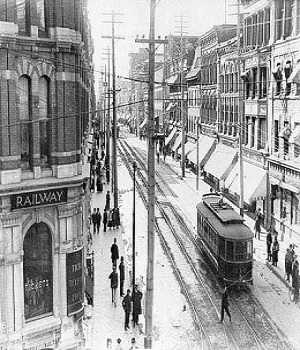
Sparks Street
The home of many Ottawa department stores during the first half of the 20th century, including Murphy-Gamble, C. Ross and Bryson-Graham.
Local department stores discouraged national chains.

Histories, pedigree charts, maps and more...

Family stories are interwoven real-life dramas coloured by moments of triumph and tragedy. This site conveys the energy and uniqueness of these narratives to future generations. We are looking for 'remarkable' life experiences for the Sparks story collection. Submissions can be related to the Sparks lineage, collateral families or kinship.
Our Sparks branch descends from the British Isles - primarily from England with later generations migrating to Ireland. Sparks descendants began to arrive in Upper Canada from Ireland in the early 19th-century with others following years later. Uncertain times in the old country and new life opportunities awaiting in Canada attracted our ancestors to the New World.
This site holds a collection of searchable genealogical records for the antecedents, descendants, siblings and cousins of Nicholas Sparks of Bytown. An extensive genealogical collection for Nicholas, his younger brother George Sparks of Bells Corners and his second cousin George Sparks of Gloucester is credited to the research work of family historians.
The collection will continue to evolve with the help of family and friends. There will always be some undiscovered family member, fact or story. Comments and contributions (old vintage photographs, online sources, family stories, etc.) are most welcome. For submissions, click "Contact Us" at the bottom of this page to send us your comments and contributions. We can exchange emails to arrange for submissions.
Enjoy searching for your Sparks relatives and ancestors.
K. Wayne Lester
Genealogical DNA Testing
Registration and Privacy Policy
Sparks Family Historian and Site Author
 Our Sparks family heritage is rooted in the history of England and Ireland. A published source asserts that the Sparks name comes from the Old English term "sparrowhawk". Another source says the Sparks surname is derived from old Norse "sparkr or spraek" and adopted into Olde English in the Middle Ages. In the seventeenth and eighteenth centuries, the Olde English versions gradually morphed into Spark and its West Country patronymic forms Sparke, Sparkes and Sparks.
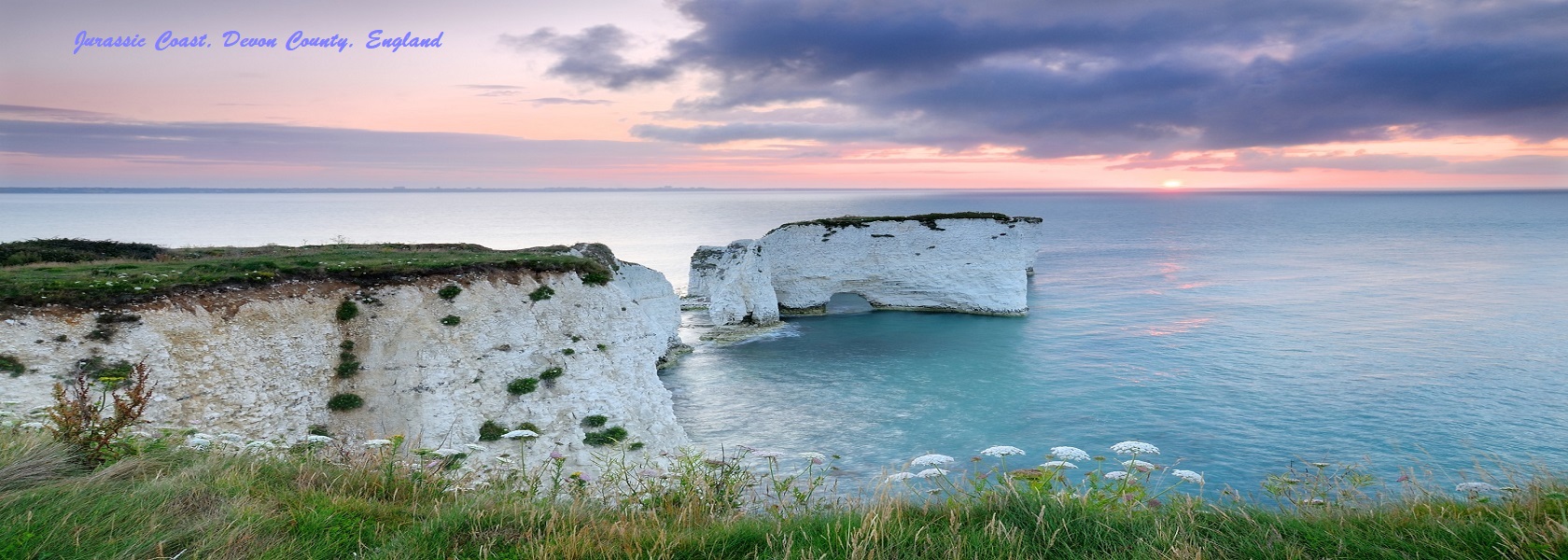
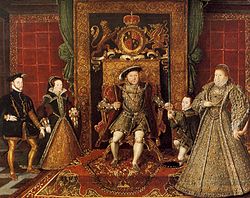
Our Sparks lineage is traced back to Tudor England with two of the strongest monarchs sitting for 118 years on the English throne: Henry VIII and his daughter Elizabeth I. John Sparke, born about 1500 and living in Devon County, England, is our earliest known Sparks ancestor. John would have lived a more peaceful and richer life than his ancestors during England's transformation from Medieval to Tudor times.
Nicholas Sparke, a fifth-generation descendant of John Sparke, also a native of Devon County, is the legendary founder of the Irish branch, as told in Herbert Todd's 1913 narrative of prominent pioneering Canadians. Nicholas and his family continued to prosper in his ancestors footsteps during the stormy reign of Charles I.
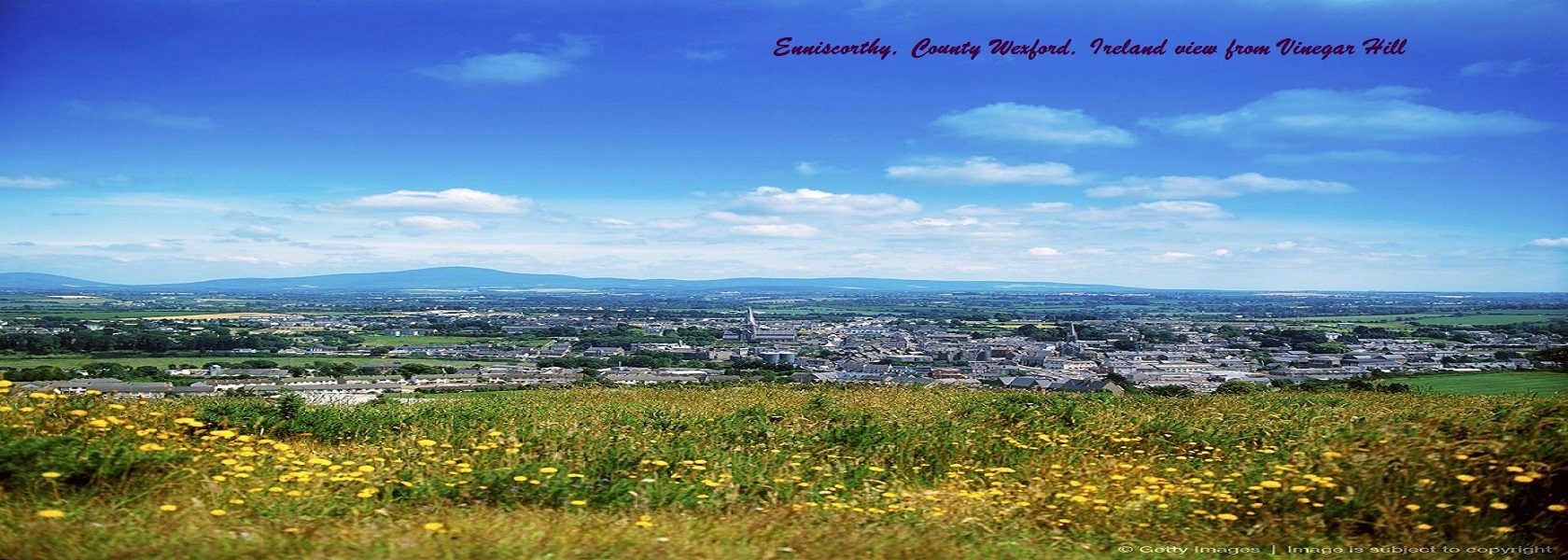
Joining the eighteenth-century British colonization of Ireland, the Sparke family of Devon County emigrated to County Wexford, Ireland. Nicholas Sparke's grandson Samuel Spark chose to move with his family from Devon County to County Wexford, Ireland, most likely to take possession of leased-land awarded to his grandfather Nicholas for his military service. The political and religious upheaval during the era of the Irish Protestant Ascendancy brought times of anxiety and fear to the lives of Samuel's family suffering losses during the 1798 rebellion.
A fourth-generation grandson of Samuel Sparke, Nicholas Sparks of Bytown, Upper Canada, and for whom Ottawa's Sparks Street was named, journeyed from Liverpool, England in 1816 to work for Philemon Wright as an indentured-servant, settling years later as a prominent landholder and timberer in early 19th-century Bytown, Carleton County, Upper Canada.
On the Lighter Side
Publications
Click More to view updated LOOKING BACK charts, and other publications.
Local department stores discouraged national chains.
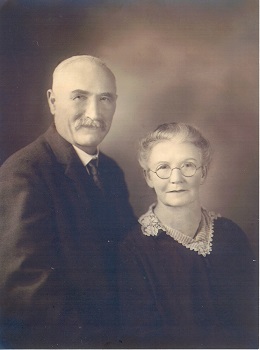
George Henry, a great-nephew of Nicholas (of Bytown) Sparks, lived in Osgoode, Ontario in 1888 moving to Hazeldean, Ontario in 1912.
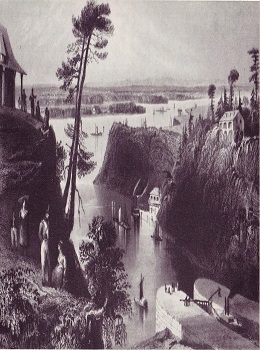
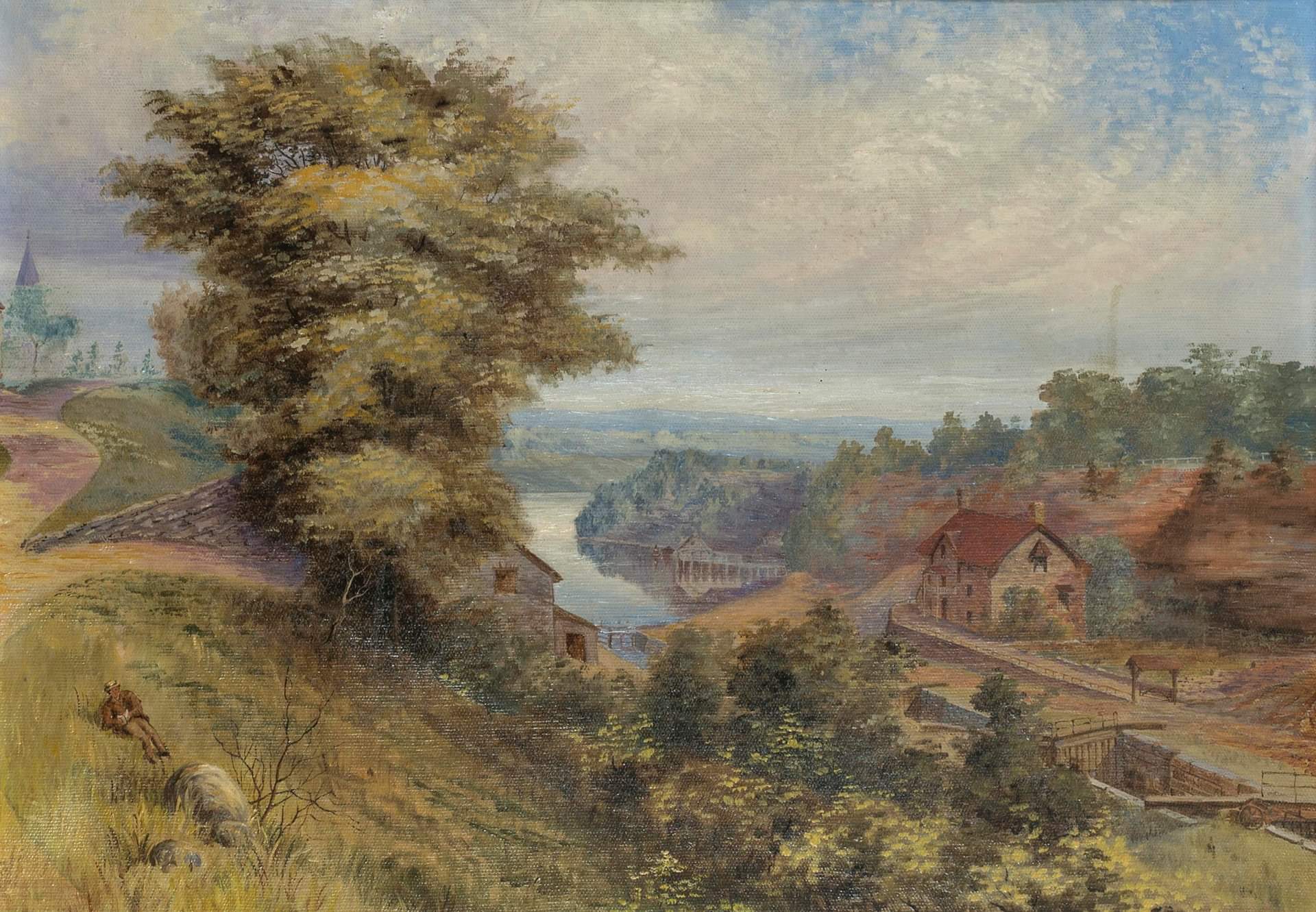
1841 depiction of the entrance to Rideau canal
Costing $1B in today's money, the Rideau Canal was completed in May 1832.
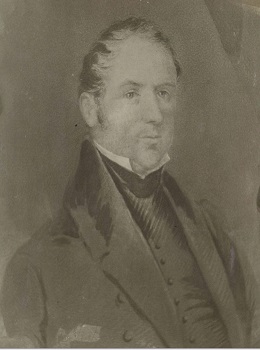
Living in a log cabin on Lot C Concession C Bytown before selling his property to Nicholas Sparks in 1821 for 95 GBP.
Adopted mother's name in 1826. Surveyed Rideau Canal dam and lock placement in 1827.
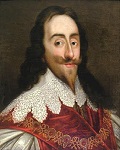
In 17-century Devon County, England, Nicholas Sparke lived during Charles I's reign with over-taxation, controversial religious policies and warring with Spain, Scotland, and Parliament. Charles I's authoritarian rule quarrelling with Parliament provoked a civil war that finally led to charges of treason and his execution. Was Charles I a Tyrant or Victim of Bad Timing? Click MORE to read about the crafty ways of Charles I.
Enjoy some Inspirational Quotes
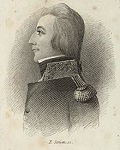
In 1798, the Irish Rebellion brought fear and losses to Samuel Sparks' family in County Wexford, Ireland. Wolfe Tone was a leading Irish revolutionary figure and a founding member of the United Irishmen, a republican society that revolted against British rule in Ireland. Wolfe Tone led the United Irishmen going into the 1798 Irish Rebellion. Click MORE to read about the life of Wolfe Tone.
We incorporate genealogy proof standards for cited sources. Please advise us of needed changes or additions to your family's page.